Core values of sustainable marriage celebrations
- Environmental responsibilityReduction in wedding waste and carbon footprint
- Economic benefits: 30 per cent cost savings from reuse of props
- Social trends: Modern newcomers prioritize green services
Key product selection strategies
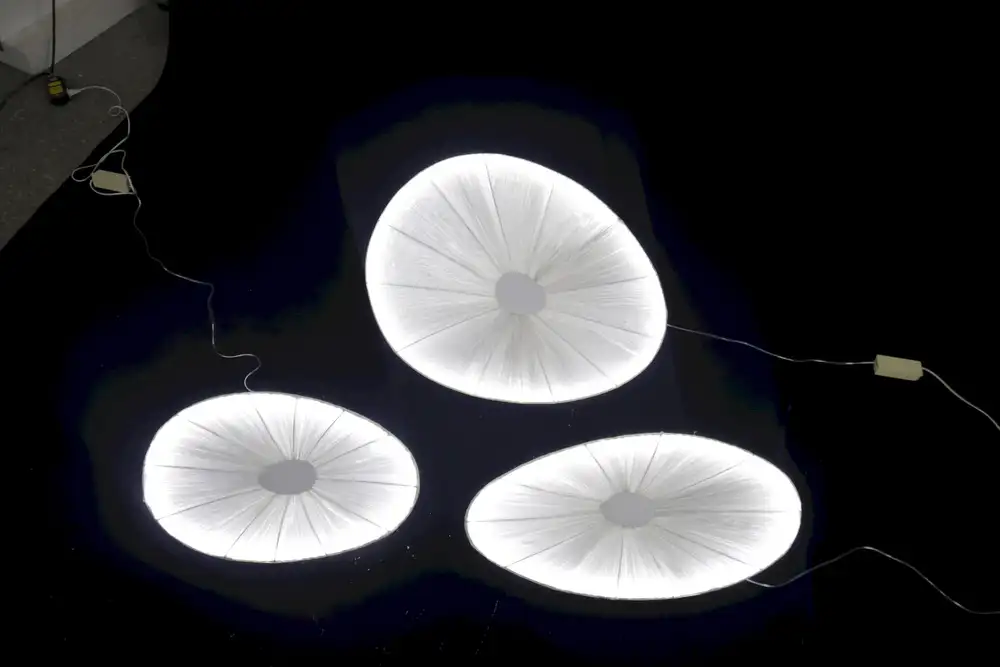
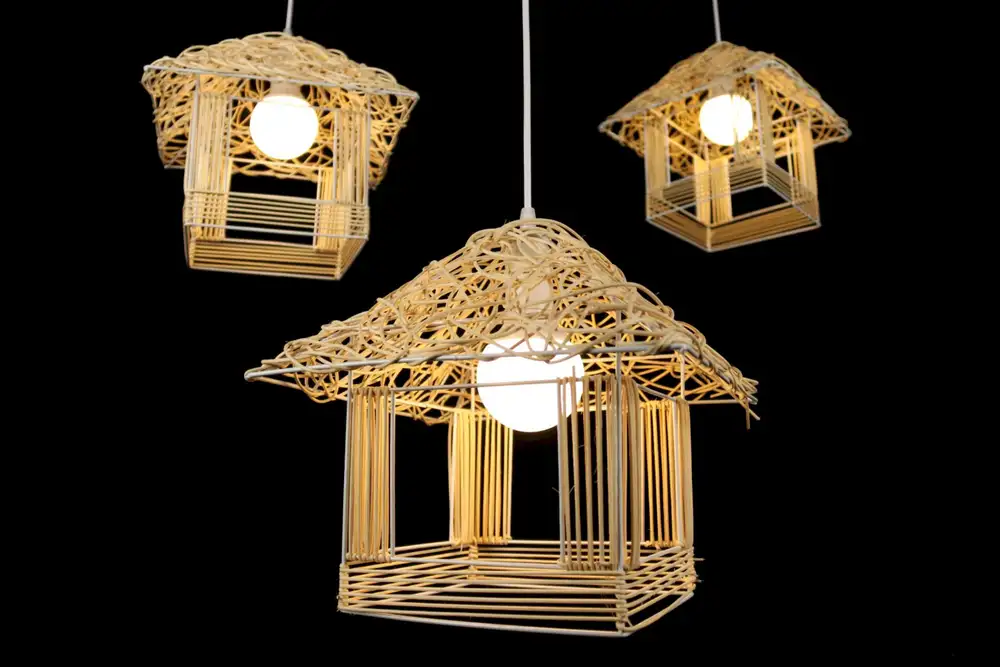
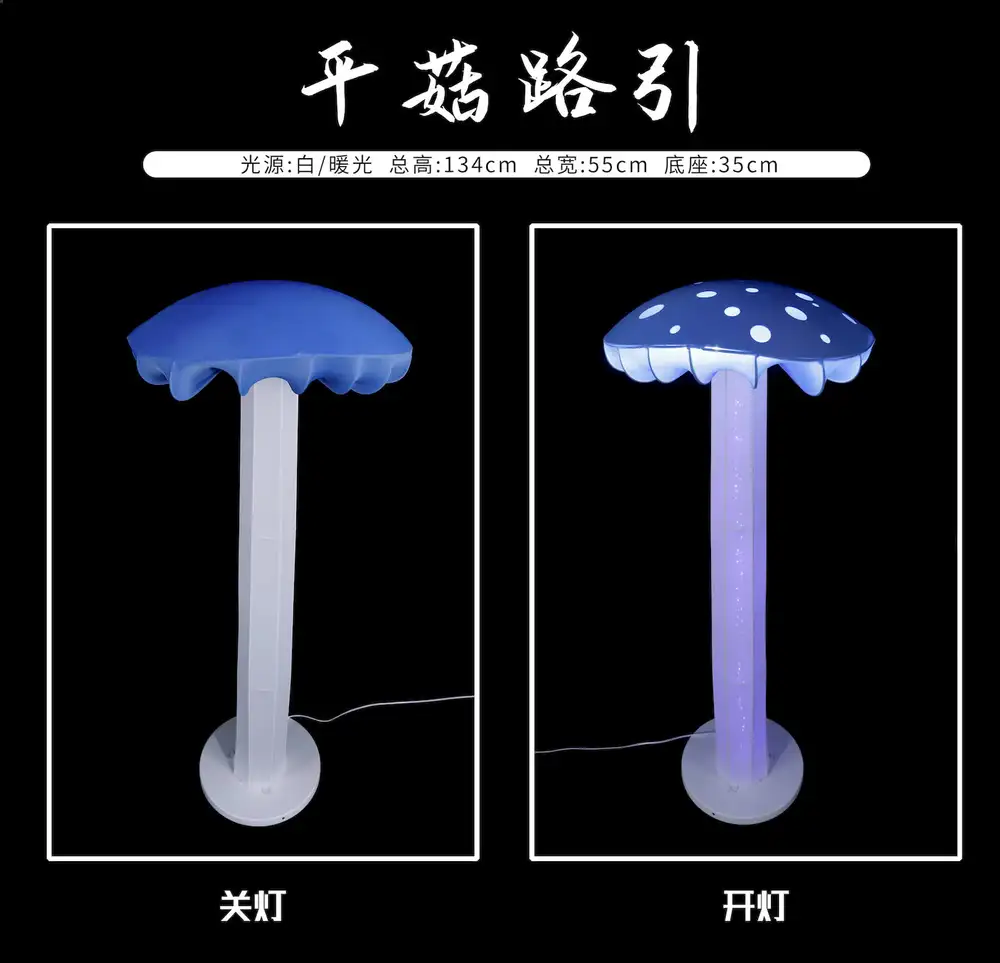
- Wedding lanterns.LED lanterns are safe, so they're warm. Round
- Plumbs: select recyclable materials such as paper or recycled fibres
- Scheffer Decorator: Easy to install and less waste to transport
- Five chandeliers.: Decorative and adapted to a variety of scenarios
- It's a commercial.: Applies to commercial space, professional upgrading
Practical layout techniques
- Repeated use of props: Plumbs can be used in a number of different activities
- Localized procurementShorter supply chains and reduced carbon emissions
- Site terminology application: Accurate space layout
- Mixed materials: Combining Scheffer Decorations with Traditional Materials
Procurement and placement recommendations
- Priority: Retrievable materials for wedding lanterns and flowers
- Recognition of services: vendor is required to provide a proprietary recovery programme
- Advance planning: Optimizing the deployment process using scene terminology
- Simplifying processes: avoid overdecoration, focus on core areas
Specific action guidance is given at the end: environmental certification is explicitly required at the time of procurement, retrievability of proprietors is confirmed with the supplier prior to deployment, and recovery plans are implemented after the activity. In selecting products such as five chandeliers, priority is given to energy-saving models to ensure long-term value.
FAQ
How can we choose sustainable marriage festivities?
Priority is given to recyclable materials, such as the Chevy Decoration Board, and suppliers are identified for recycling services.
How can we save energy from wedding lanterns?
LED lamps are low-powered and have a long life, ensuring that models that meet safety standards are selected.
How can waste be reduced when set?
The layout is planned using scene terminology, the reuse of ducts, etc., to avoid overdecoration.